
RTK GNSS Receivers
RTK GNSS Receiver - FAQ
What is the difference between an RTK GNSS receiver and a standard GPS?
Do I need a base station to use RTK?
What is tilt compensation and why does it matter?
RTK GNSS Receiver - Precision Surveying & Positioning
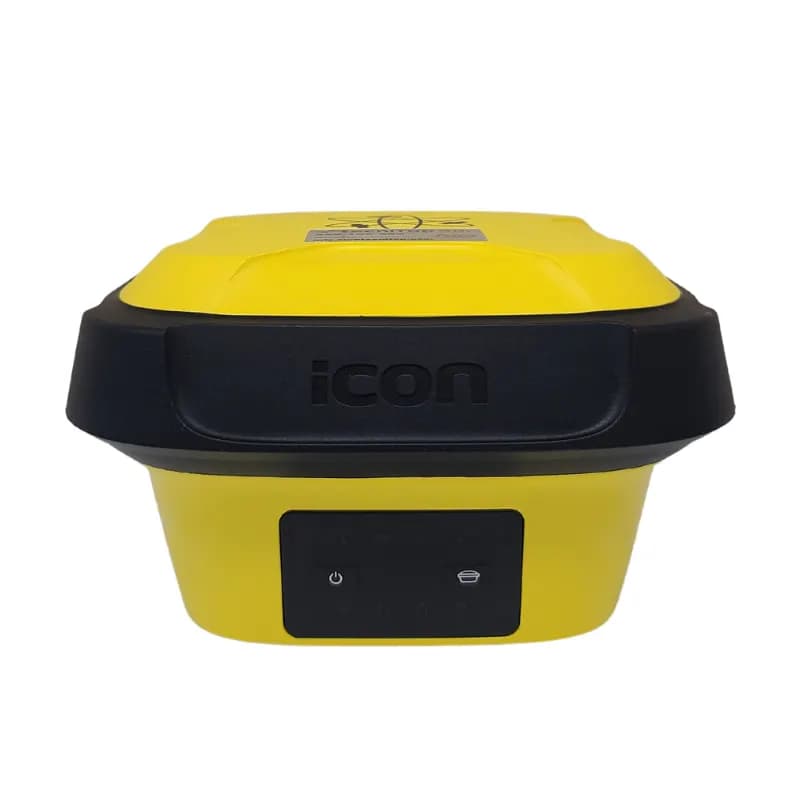
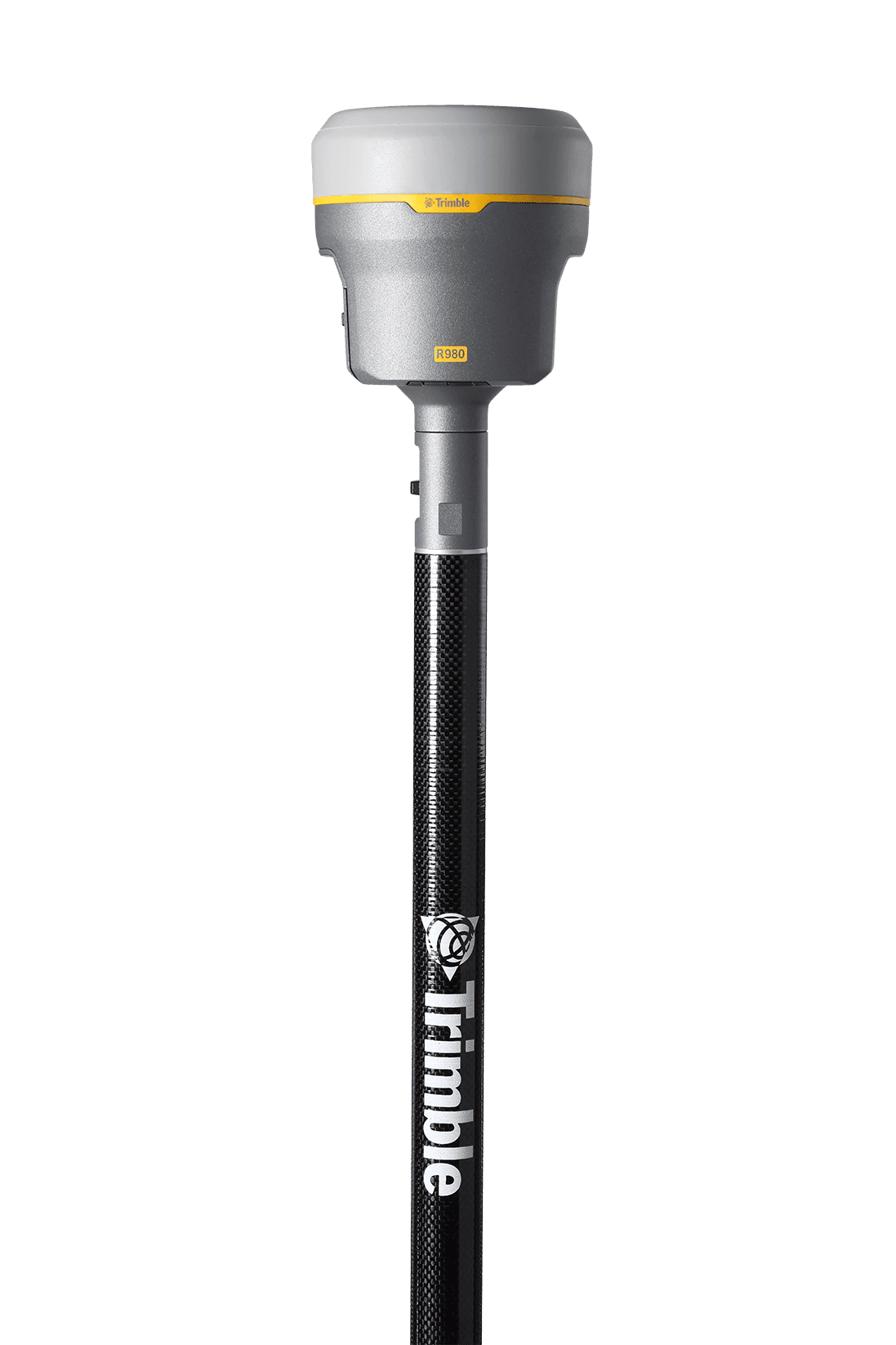
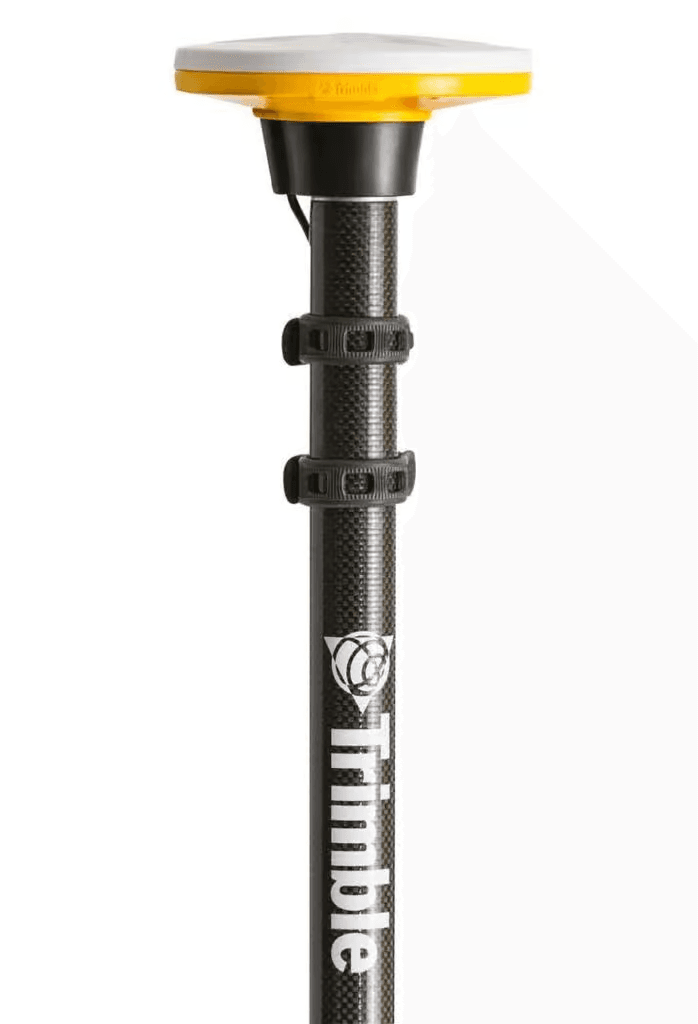
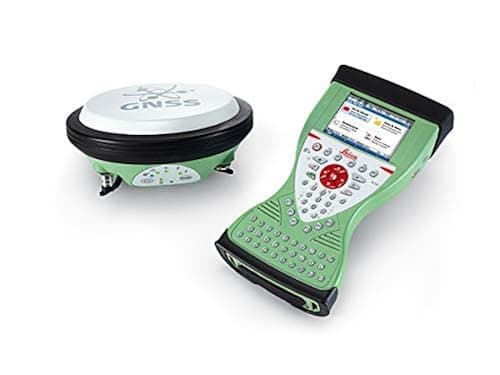
An RTK GNSS receiver is a high-precision satellite navigation device that utilizes Real-Time Kinematic (RTK) processing to provide instantaneous positioning data. This technology functions by receiving phase-shift corrections from a base station or CORS network, allowing the unit to deliver centimetre-level accuracy in real time. While standard GPS offers metre-level precision, using an RTK GNSS receiver ensures the rigorous spatial accuracy required for professional engineering, cadastral surveys, and construction staking.
Key Features & Specifications
RTK horizontal accuracy: $\pm8~mm+1$ ppm; vertical accuracy: $\pm15~mm+1$ ppm for precise elevation control.
Constellation support: Quad-constellation tracking including GPS, GLONASS, Galileo, and BeiDou for reliable fixes in obstructed environments.
Initialisation time: Achieves a fixed solution in under 10 seconds in open sky conditions with 800+ channel receivers.
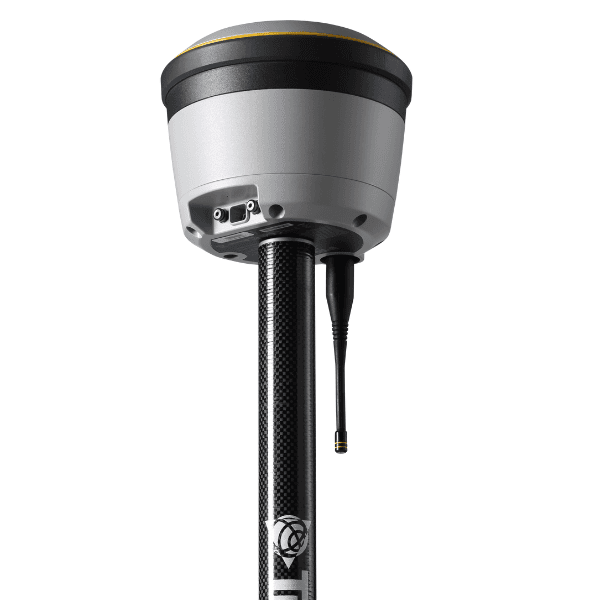
Data link: Integrated UHF internal radio (up to 5 W), 4G/LTE modem, Wi-Fi, and NTRIP protocol support.
IMU tilt compensation: Capability to measure at tilts up to 60 degrees without the need to level the prism pole.
Environmental protection: IP67 rating, ensuring the device is completely dustproof and submersible to 1 m for 30 minutes.
Battery life: Provides 6-10 hours of continuous RTK operation with internal batteries and hot-swap functionality on select models.
How to Choose the Right RTK GNSS Receiver
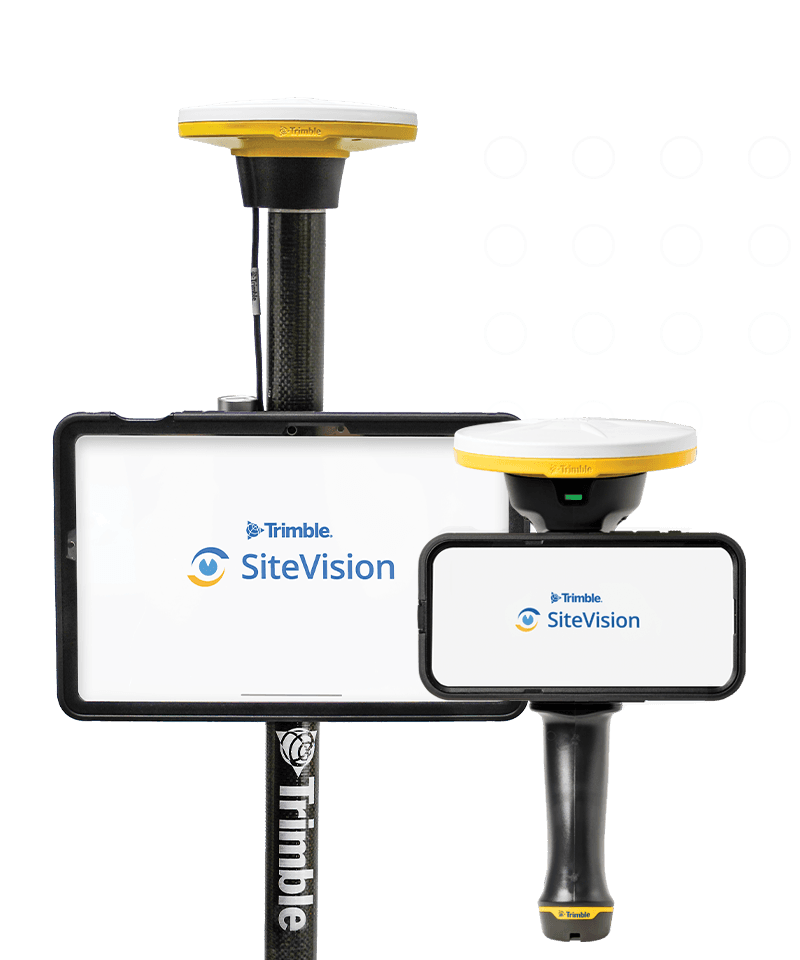
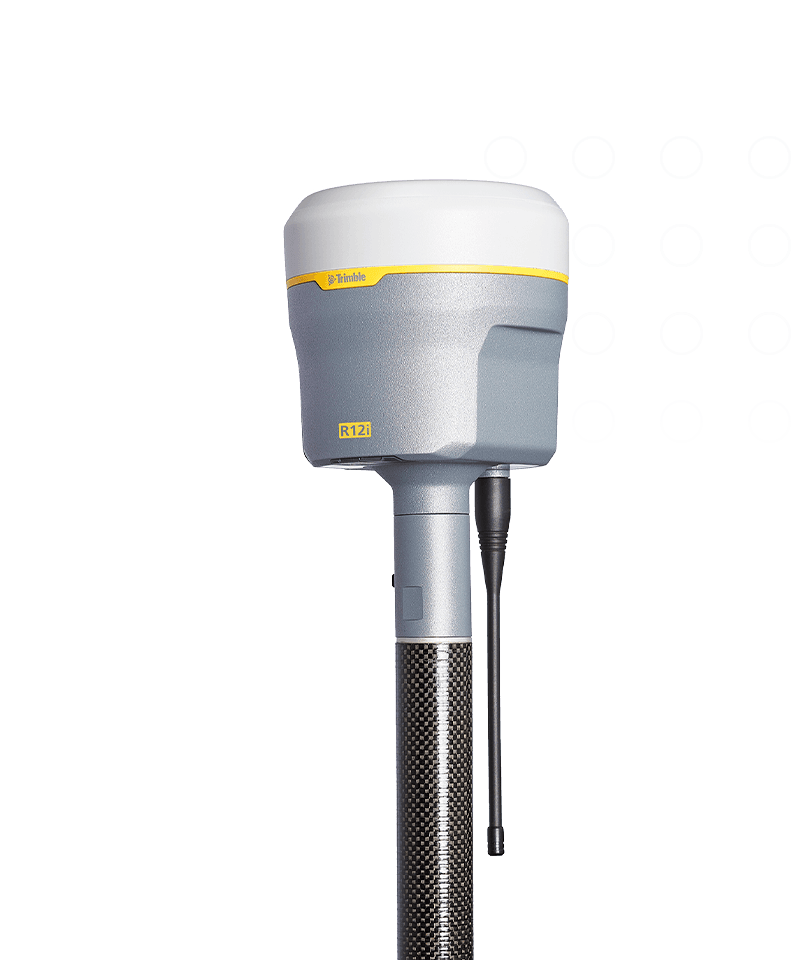
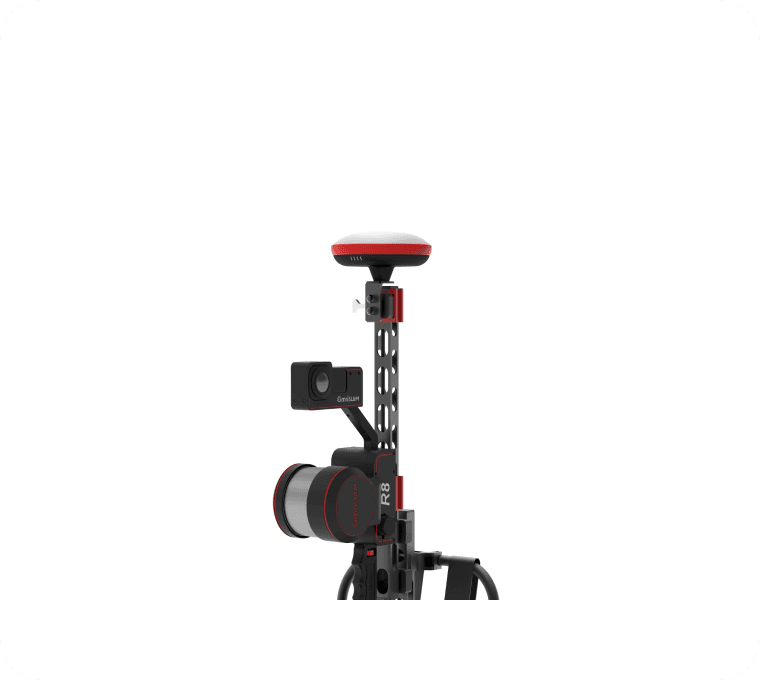
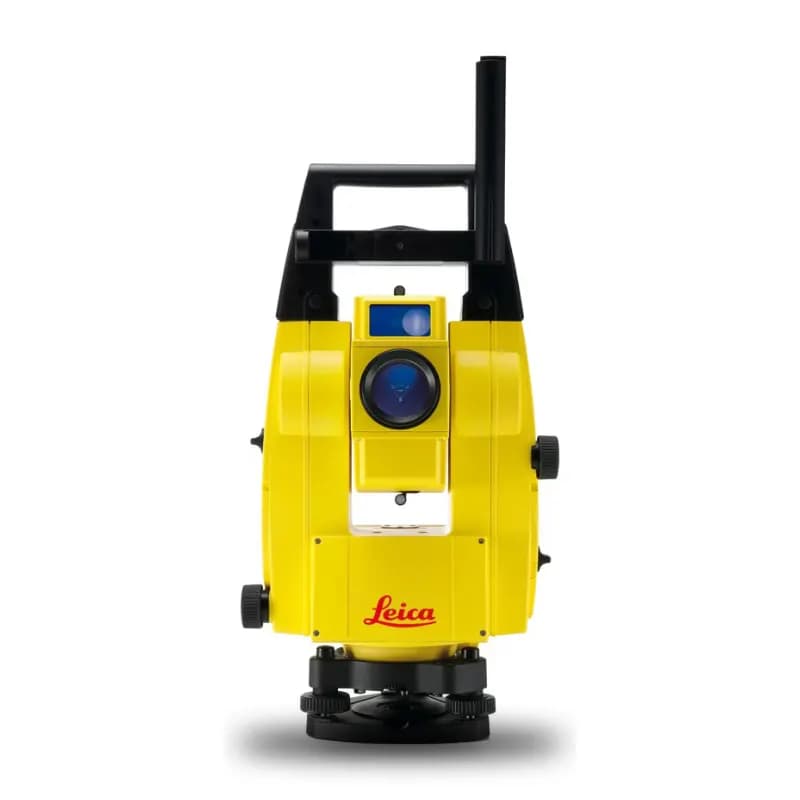
Choosing the correct receiver depends on your specific workflow, such as the necessity for IMU-based tilt compensation found in the Leica GS18 T or Trimble R12i to increase speed in the field. For projects in remote areas without mobile coverage, a receiver capable of acting as a local UHF base is essential, whereas a rover-only setup like the Emlid Reach RS3 is sufficient for network RTK via CORS. Professionals should also consider the benefits of a base and rover set to maintain independence from third-party correction services.