
Robotic Total Stations
Robotic Total Stations
What is a robotic total station?
handheld 3d scanner · 3d laser scanners
How does a robotic total station work?
How accurate is a robotic total station?
What are robotic total stations used for?
What is the difference between a robotic total station and a conventional total station?
What software is used with robotic total stations?
What industries use robotic total stations?
What should I consider when choosing a robotic total station?
Robotic Total Stations - Professional Surveying Solutions
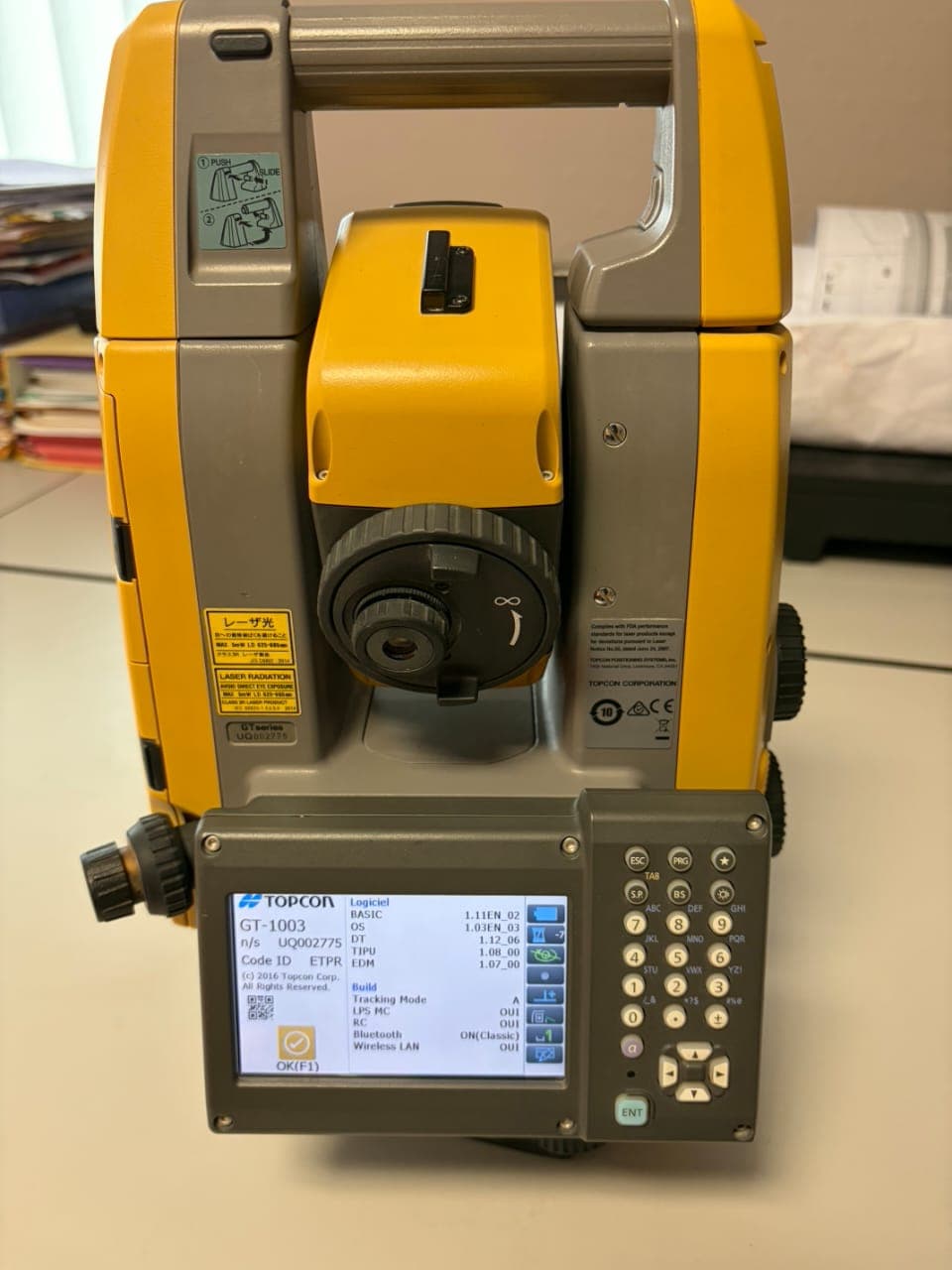
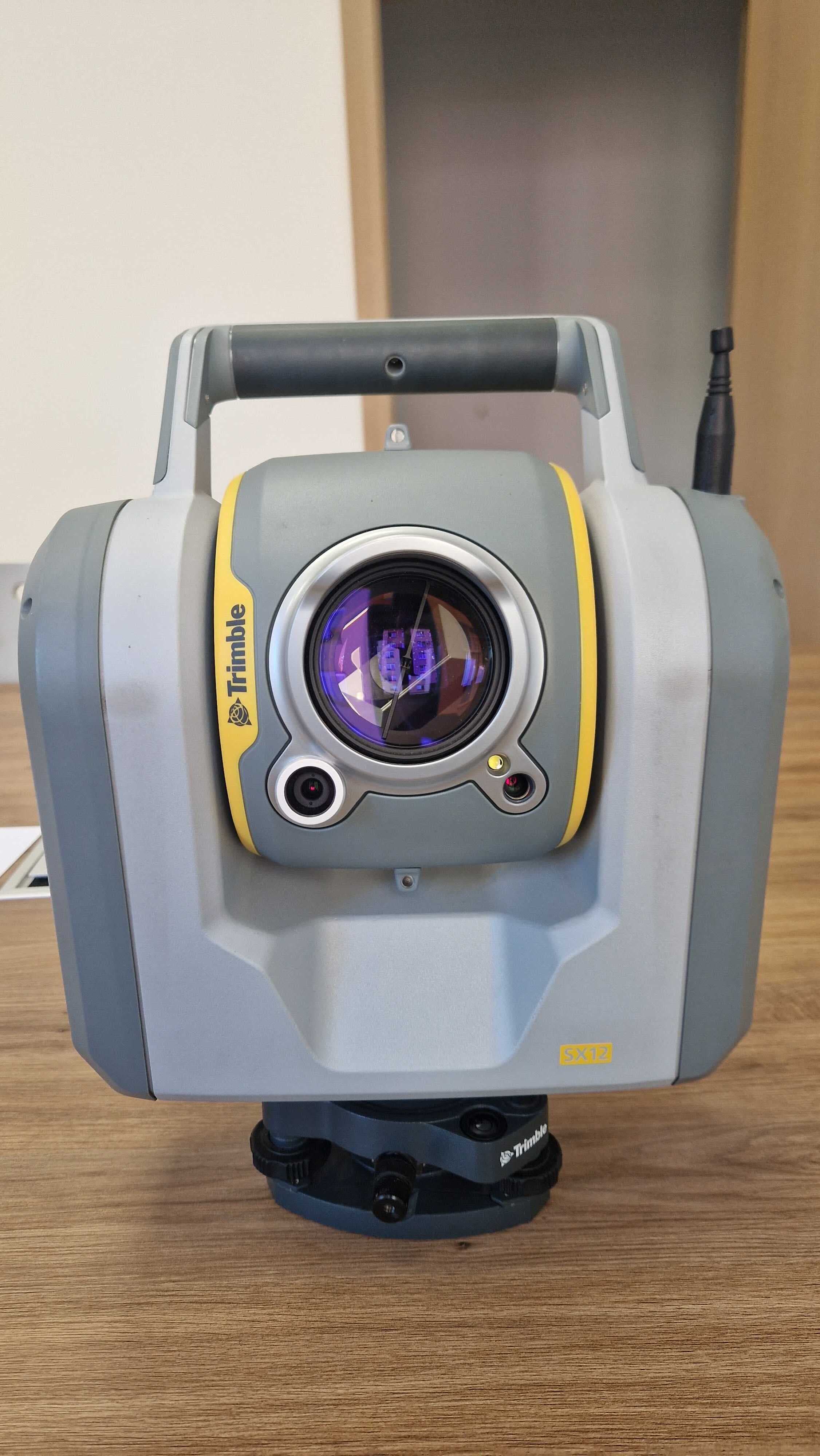
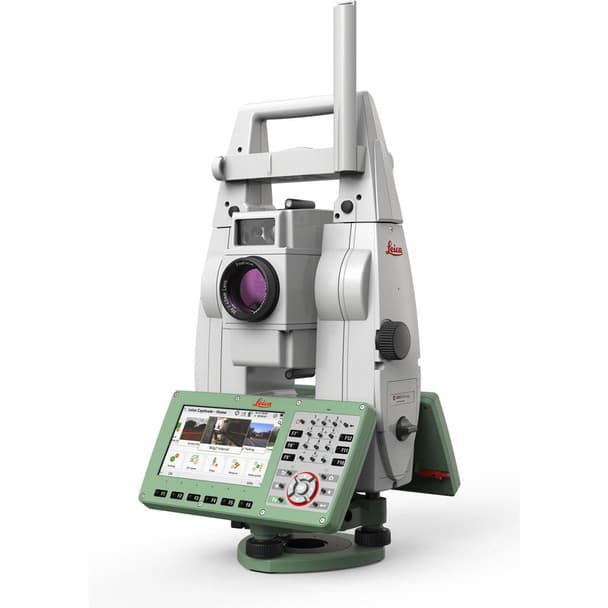
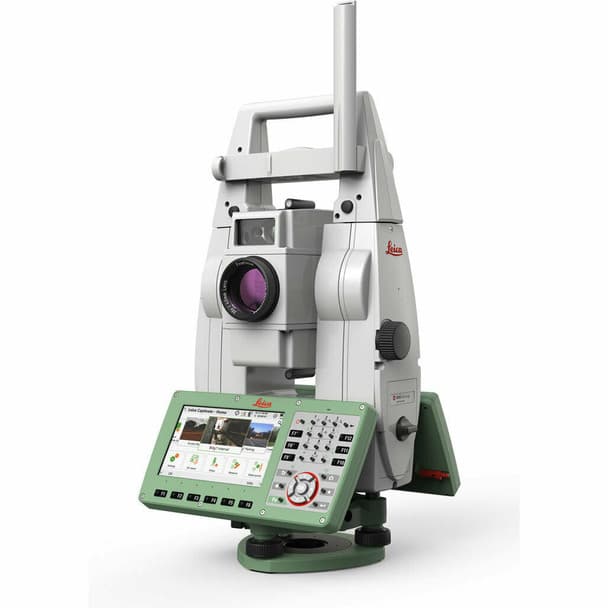
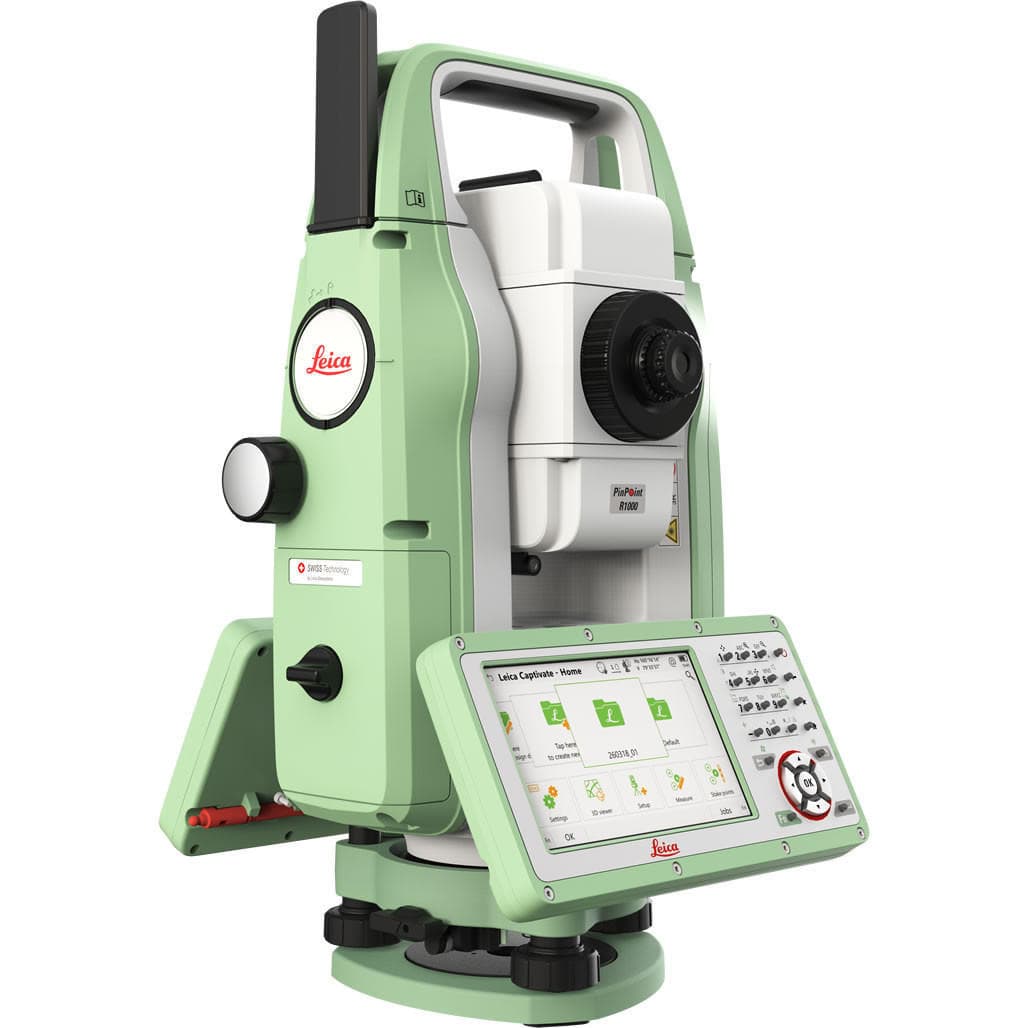
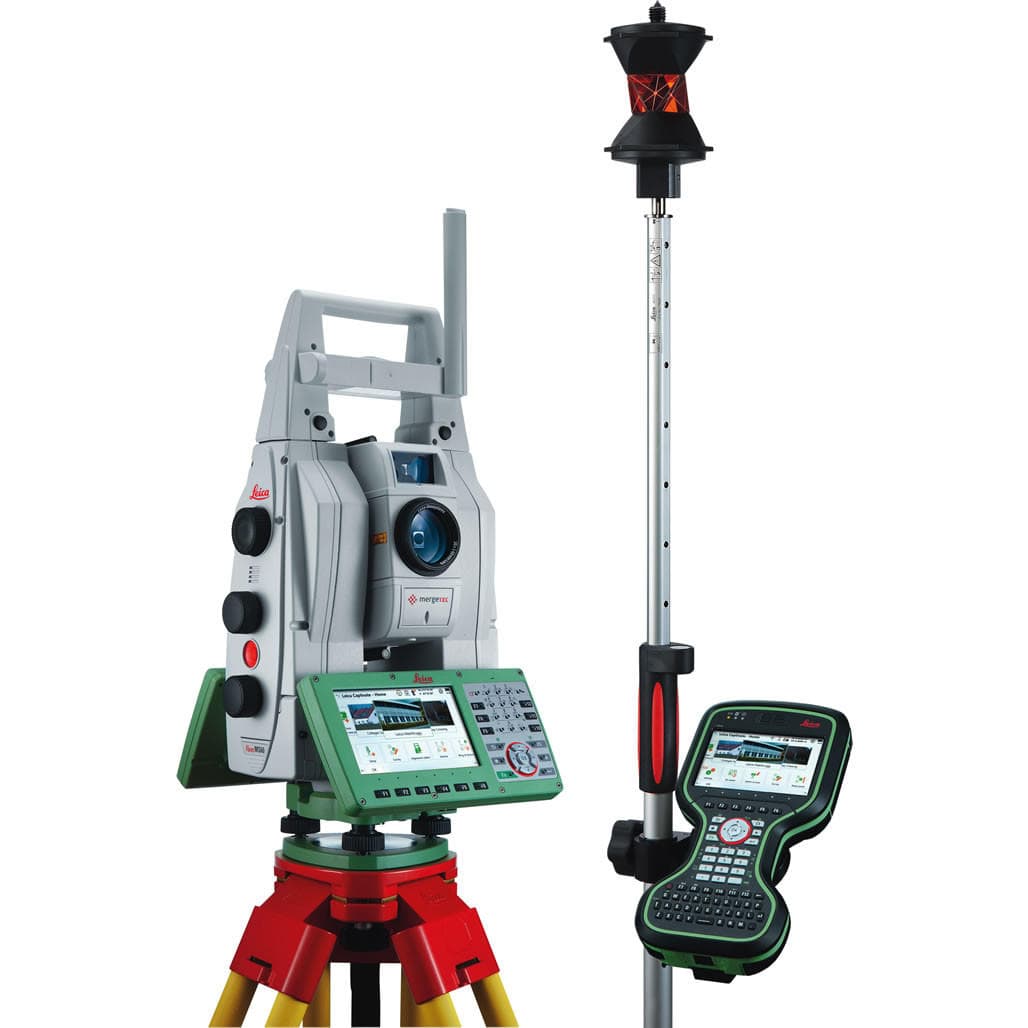
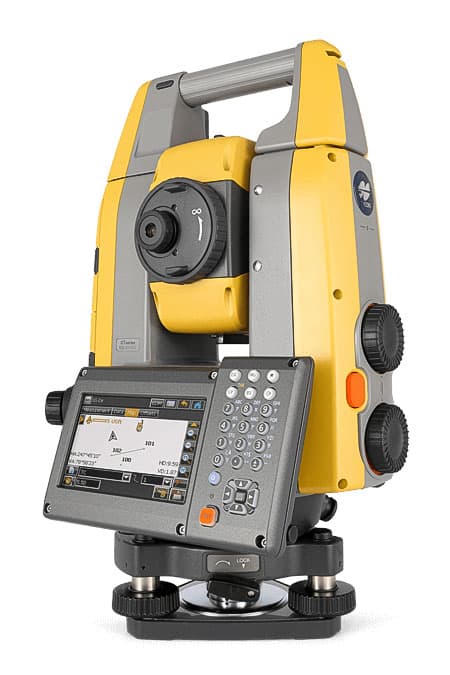
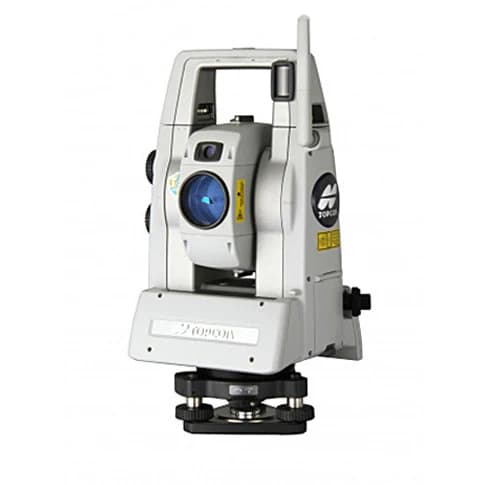
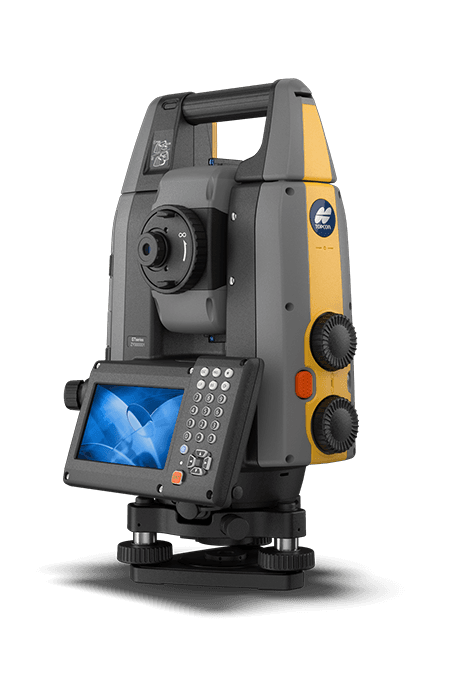
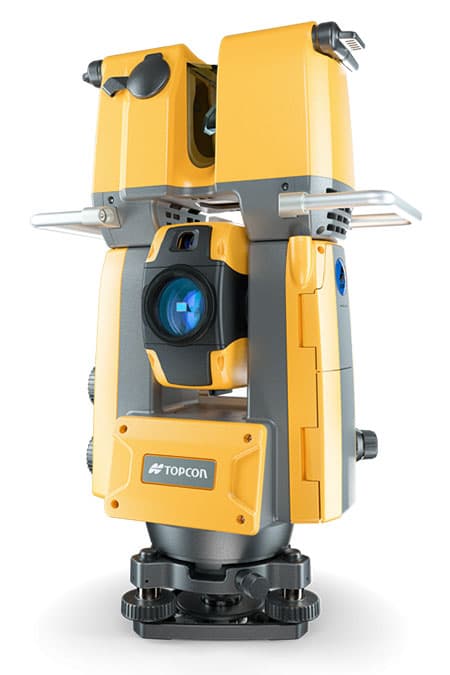
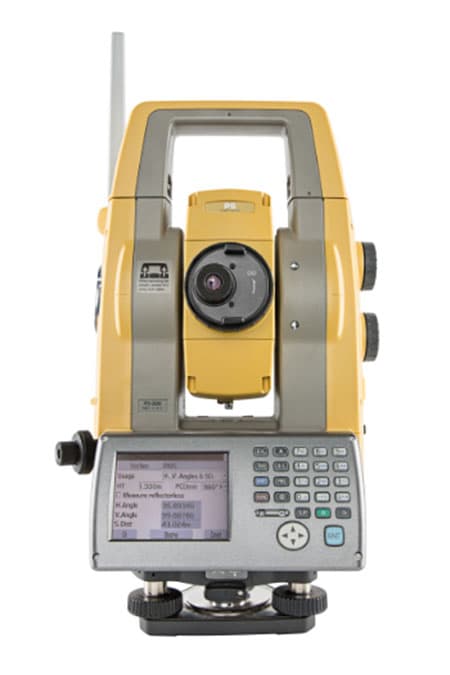
A robotic total station is a motorised angular and distance-measuring instrument designed to automatically track a prism target while being controlled remotely by a single operator. This technology allows a surveyor to manage all measurements directly from the pole using a field controller, effectively eliminating the need for a second person to operate the instrument at the tripod. By automating target acquisition and tracking through advanced optical sensors, these systems significantly increase the speed of data collection and layout tasks in demanding construction and geodetic environments.
Key Features & Specifications
● Angular accuracy: 1" to 5" arc-seconds — provides the high-precision measurements required for primary control surveys and high-rise construction staking.
● Prism tracking range: up to 3,500 m — supports long-range prism work on large-scale infrastructure projects, such as highway construction and mining sites. ● Tracking speed: $5-8~m/s$ — enables fast dynamic staking and efficient machine-control workflows for moving vehicles or grading equipment.
● Motorised search: 360-degree horizontal — utilizes technologies like Leica PowerSearch to rapidly recover target lock after a temporary line-of-sight obstruction. ● Connectivity: Long-range radio or Bluetooth link — creates a stable, high-speed connection between the instrument and a rugged field controller for seamless remote operation.
● Environmental protection: IP65 or higher — ensures that internal optics and precision motors are fully protected against dust ingress and heavy rain during all-weather field use.
● Battery runtime: 8-14 hours — provides enough power for a full day of continuous robotic total station surveying, with many models supporting hot-swap battery changes.
How to Choose the Right Robotic Total Station
Choosing the most effective survey robotic total station depends on balancing required angular precision with the specific automation features needed for your typical job site. The Leica TS16 is a superior choice for professional teams that require ATRplus self-learning tracking and 1" accuracy for complex monitoring or high-precision control tasks. Conversely, the Trimble S7 is well-suited to crews that prioritise integrated surveying tools, such as VISION technology, and streamlined field-to-office workflows.
When evaluating robotic total station price, procurement managers must consider the total volume of staking work, as the efficiency gains from one-person operation often justify the higher initial investment within the first year of use. If your projects involve frequent loss of line-of-sight or fast-paced urban layout, prioritising models with rapid re-acquisition and advanced prism recognition is essential to maintain high productivity levels. Selecting a
model that balances these technical trade-offs ensures the best return on investment for long-term geodetic operations.